
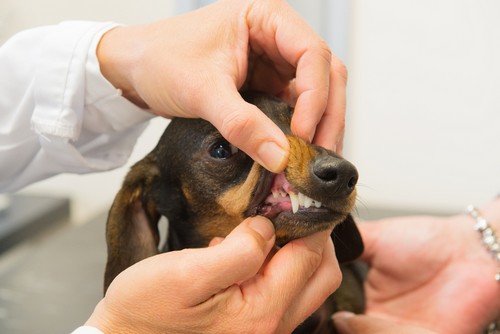
Dental Care is vital to the overall health of any pet. Dental disease can lead to health issues with the heart, liver, and kidneys and has the potential to seep into your pet's bloodstream. In fact, 80 percent of dogs and 70 percent of cats over three years of age suffer from some form of dental disease, making it the most common pet health issue among our pet population.
Related Services
Pet Dental Care
Dental care is an important part of your pet’s overall health. Persistent bad breath, drooling, difficulty chewing, or red gums may be signs of dental disease. Routine dental exams and professional cleanings help prevent pain, infection, and tooth loss. Our team provides thorough evaluations and comprehensive dental care to support healthy teeth and gums at every stage of life.
Dental Surgery
Even with routine dental care, some pets may require dental surgery to address advanced periodontal disease, fractured teeth, oral masses, or other conditions affecting the mouth. Dental procedures are performed under general anesthesia, which allows for a thorough examination and safe, precise treatment.
Pet Dental Cleaning
We perform Complete Oral Health Assessment and Treatment (COHAT) procedures under anesthesia to thoroughly evaluate and treat dental disease. This includes dental X-rays, detailed charting of each tooth, professional scaling and polishing, and any necessary extractions. Dental X-rays allow us to identify disease below the gumline that cannot be detected during a visual exam.
Pet Dental Extraction
Dental extractions are recommended when a tooth is severely diseased, fractured, or causing ongoing pain. Dental radiographs allow us to fully evaluate each tooth and the surrounding bone before removal. Your pet’s safety and comfort are carefully prioritized throughout the procedure, with appropriate pain management to support a smooth recovery.
Dental Radiography
Dental radiographs (X-rays) are an essential part of evaluating your pet’s oral health. They allow us to examine the tooth roots and surrounding bone, identifying disease that may not be visible during a routine oral exam. Because much of dental disease occurs below the gumline, X-rays help ensure a thorough and accurate diagnosis.

Cookies on this website are used to both support the function and performance of the site, and also for marketing purposes, including personalizing content and tailoring advertising to your interests. To manage marketing cookies on this website, please select the button that indicates your preferences. More information can be found in our privacy policy here.